Alpine springtails
Cryptic biodiversity of alpine springtails
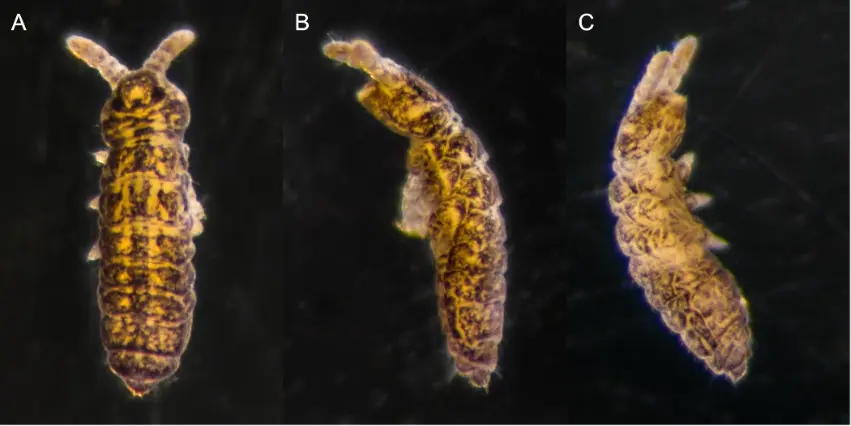
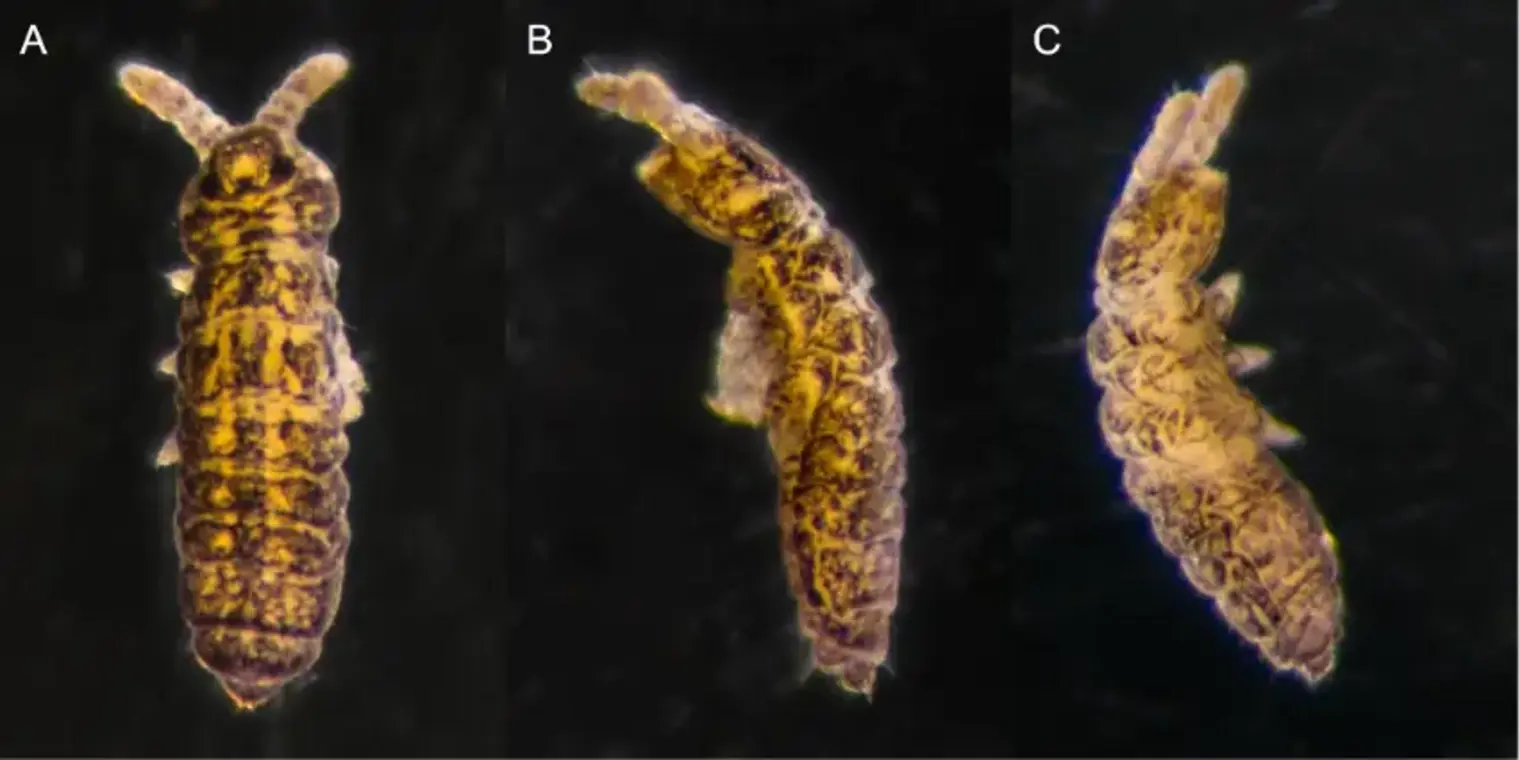
Springtails are among the most abundant animals in the soil, where most of them break down organic matter. Approximately 9,500 species have been described to date, but this represents only a fraction of a total that could reach half a million across all continents. The Alps are a prime location for discovering new species: during the ice ages, populations may have survived on ice-free peaks—known as nunataks—where they may have diverged to form distinct species.
The CollembolAlp project (funded by the Alpes Sauvages Foundation) is cataloging high-altitude springtail communities in the Trient Regional Nature Park (Valais). After collection in the field, each individual is identified through barcoding: a short DNA fragment from the mitochondrial COI gene (approximately 650 base pairs) is sequenced, and the resulting sequence is then compared to reference databases. Two nearly identical sequences indicate the same species; a marked difference suggests a distinct species. Initial results from Trient have already revealed several species new to science. These mountain ranges therefore harbor biodiversity that is still largely unknown. The project is expanding to other mountain ranges in Valais, in collaboration with the University of Neuchâtel and the National Museum of Natural History in Paris.
Project Leader : Nadir Alvarez