
Species and Genetic Diversity
Conserving Species and Their Genetic Diversity
Conservation genetics focuses on the central role of genetic erosion—that is, the gradual loss of diversity within populations—which in turn determines the ability to cope with environmental changes. This erosion often results from habitat fragmentation, population decline, and population isolation, leading to increased inbreeding and reduced adaptive potential. By combining modern genomic tools with ecological and landscape-level approaches, it is possible to quantify this loss of diversity and identify its causes and consequences.
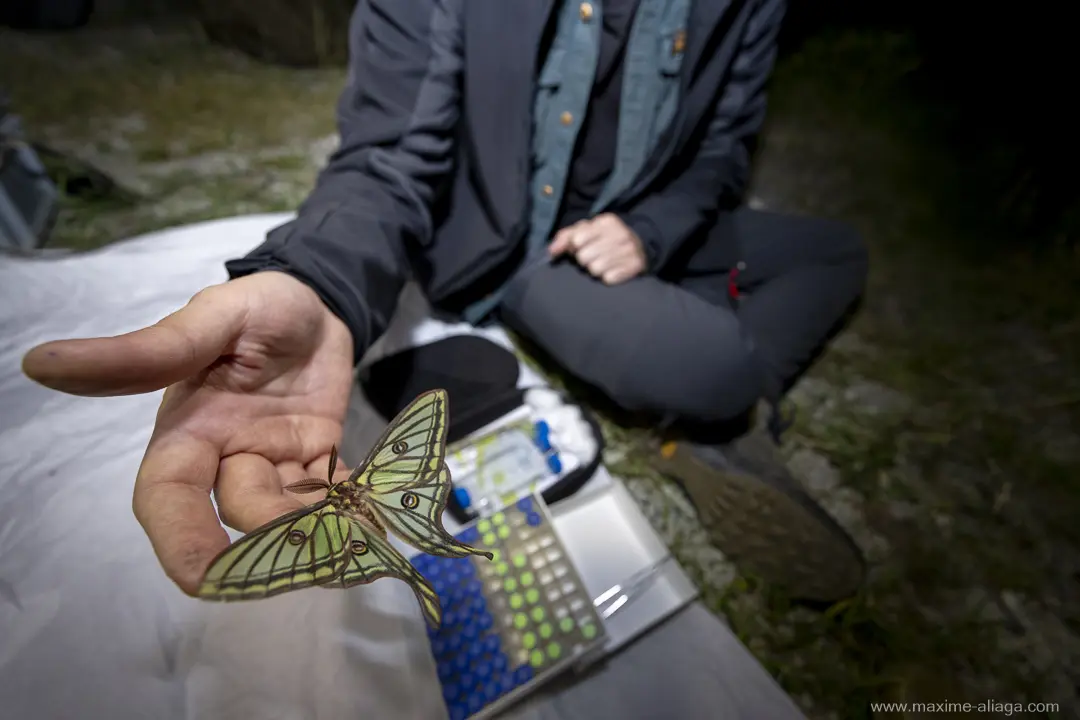
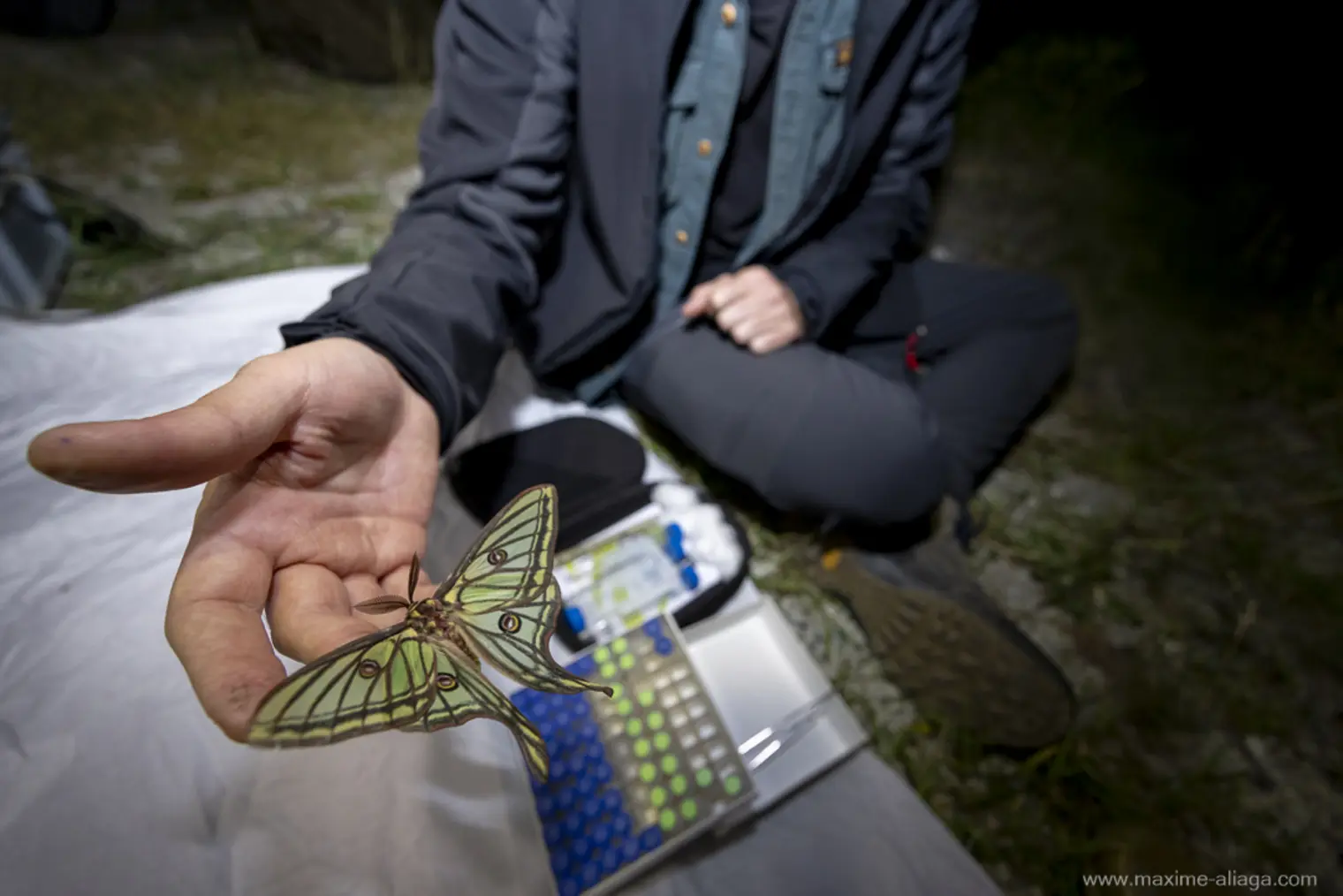
The Naturéum is involved in various projects to assess these trends in close collaboration with local conservationists. For example, a study of butterflies of the genus Phengaris—protected species with significant ecological constraints—reveals that even when certain populations maintain relatively high diversity, landscape fragmentation can lead to progressive isolation, accelerating genetic erosion in the long term and compromising population survival. In the case of the moth Actias isabellae galliaegloria—a rare alpine population of this iconic species—genetic analyses have revealed marked genetic erosion, characterized by very low diversity and signs of a bottleneck, which severely limits its ability to adapt in the context of global warming and habitat loss. Other projects on protected species are currently underway (Kretania trappi in Valais, Saturnia josephinae in southern Spain, etc.).
These approaches provide a better understanding of how genetic and environmental factors interact to influence species persistence. They also provide a concrete basis for guiding conservation strategies.
Project Leader : Jérémy Gauthier