Environmental DNA
Environmental DNA: From Species Detection to Population Genomics
Approaches based on environmental DNA (eDNA) have transformed biodiversity monitoring by making it possible to detect the presence of species from samples collected from water, soil, or air. Metabarcoding is the most commonly used method. It relies on the analysis of short genetic sequences, called barcodes, in eDNA samples to detect the species present. This approach results in a rapid and non-invasive inventory of biological communities.
Scientists at the Naturéum recently took this a step further by demonstrating that eDNA can also be used to identify genetic diversity within species. Using the common frog as a proof of concept, this approach paves the way for non-invasive population genomics, which does not require the collection of tissue or individuals—a definite advantage for the study of threatened species.
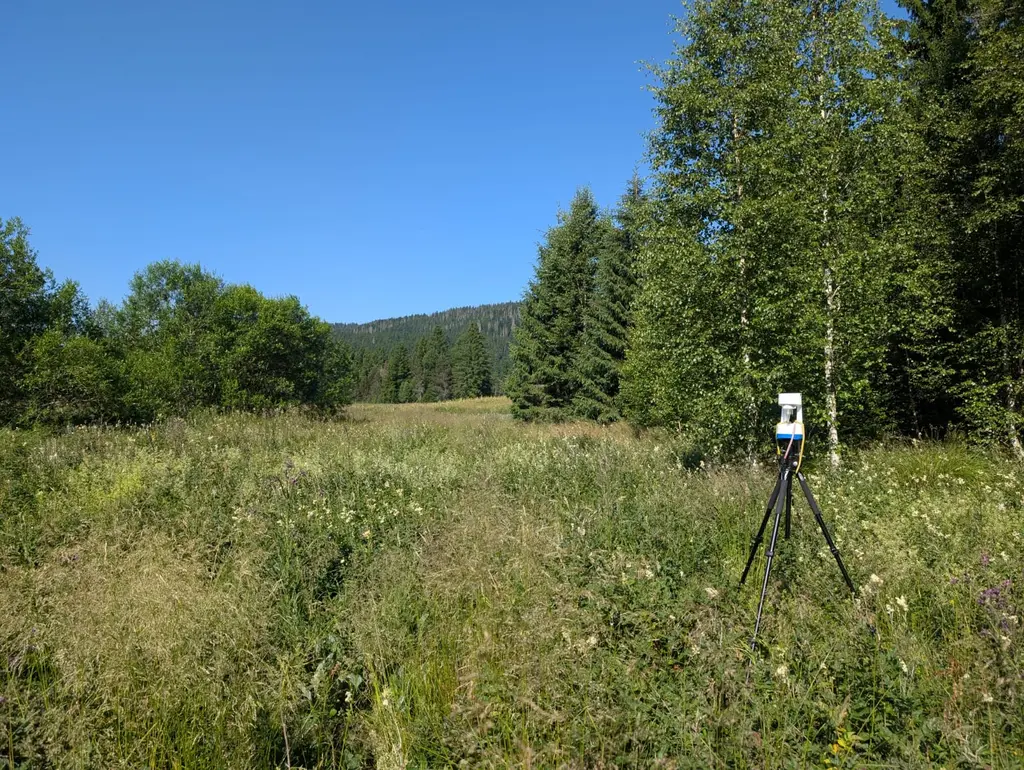
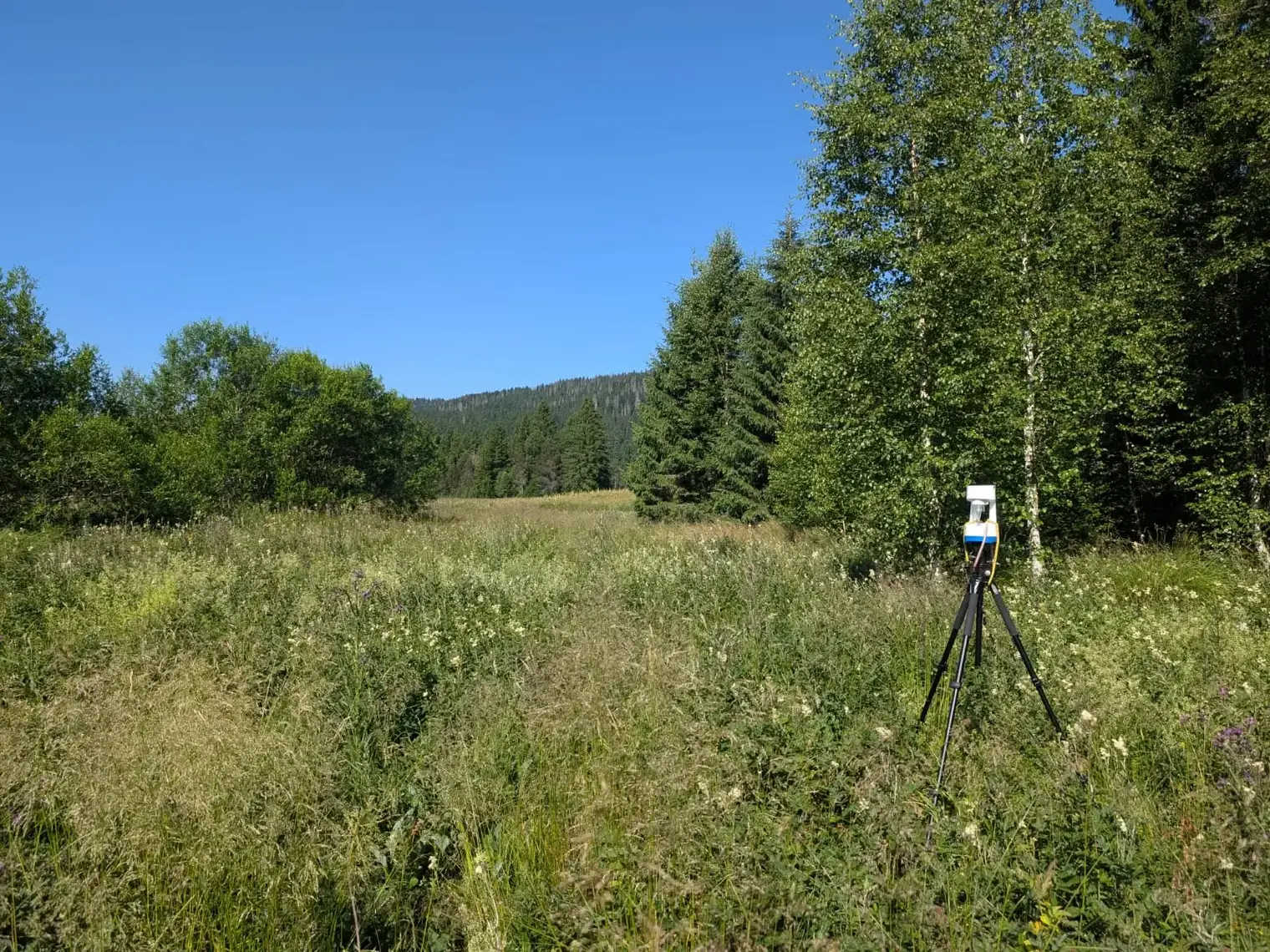
A pilot study funded by the Swiss National Science Foundation and recently completed showed that convincing results could also be obtained using airborne DNA to assess the genetic diversity of populations of a near-threatened butterfly, the Marsh Blue.
Project leaders : Nadir Alvarez and Jérémy Gauthier