
Information
Florian Cosandey's painted Herbarium
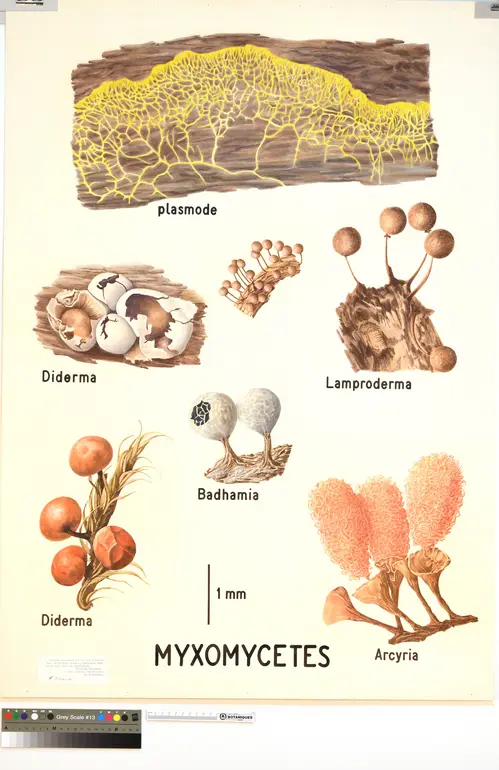
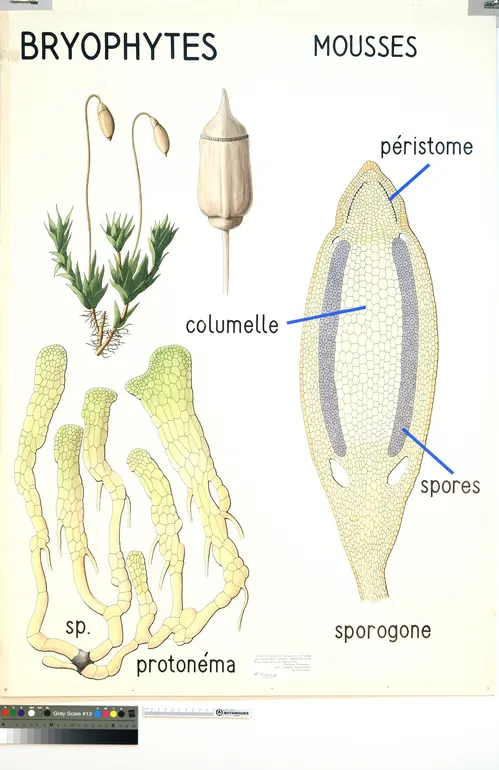
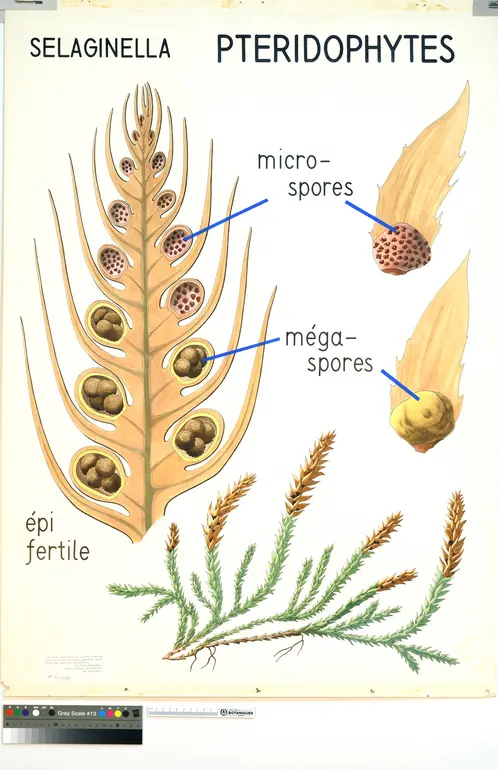
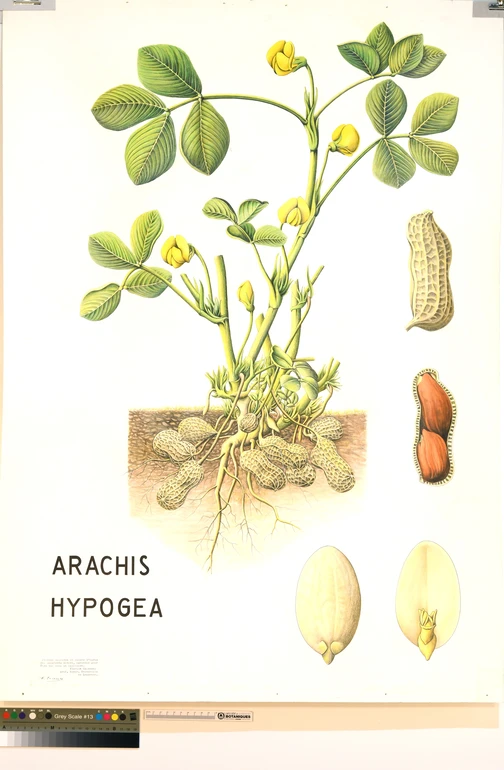
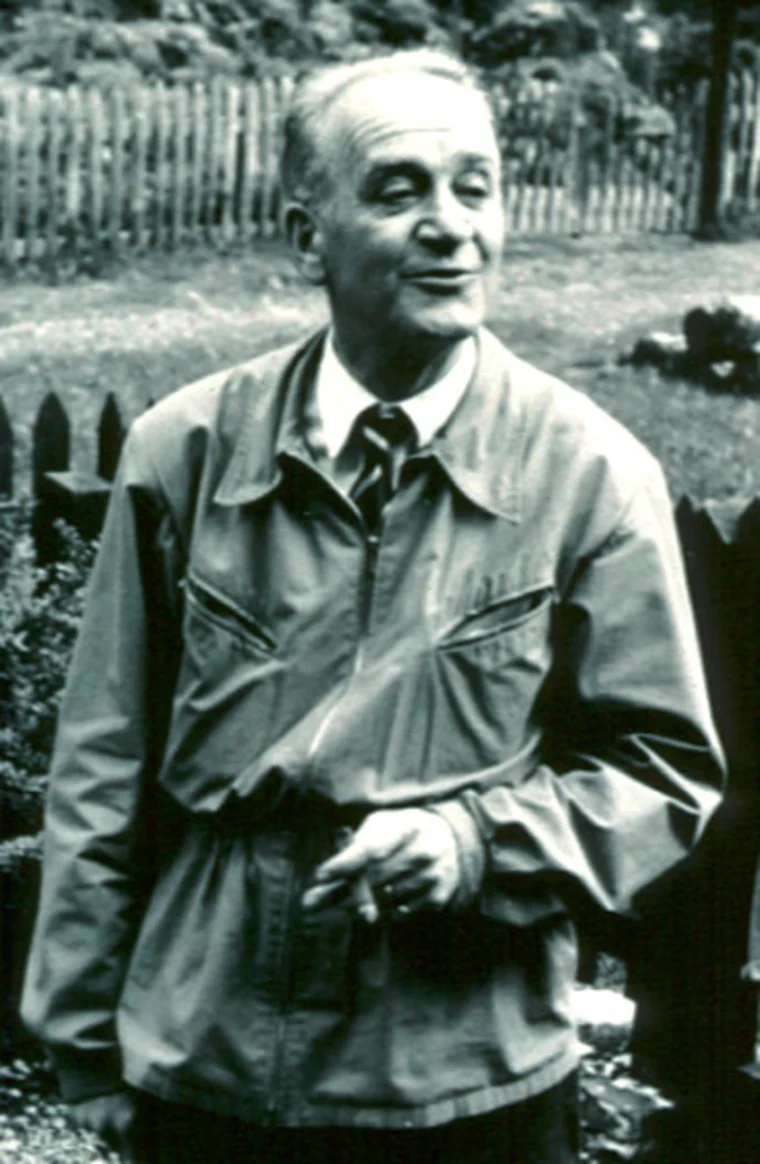
In the 1970s, botany students could see a distinguished gentleman smoking a cigar at the end of the corridor, leaning over a drawing table of his own design. This was Professor Florian Cosandey who, after his retirement, continued to produce large-format botanical plates (98 x 73 cm) to illustrate his lectures. At the time, there were few other ways to present images in a lecture hall. These plates are drawn in coloured pencils, gouache and watercolour. The result is striking: thanks to this technique and Florian Cosandey's talent, the objects depicted take on a surprising relief, both from close up and from a distance. Professor Pierre Hainard took these 200 plates with him when he left the Institute and the Botanical Museum. He used them to illustrate his lectures. When he retired in 2002, these plates, now obsolete in the face of today's extraordinary and expensive computer technology, were recovered by the Cantonal Botanical Museum.
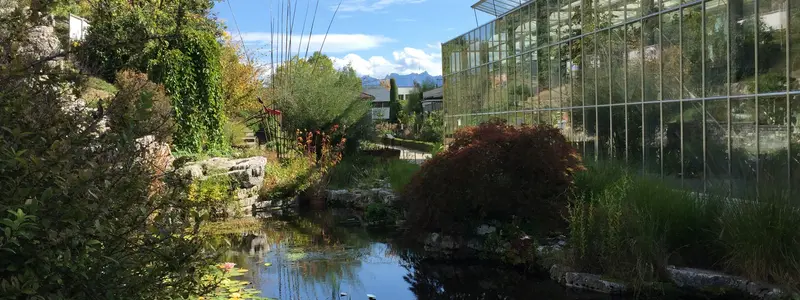
After studying civil engineering, this native of Sainte-Croix embarked on a new course of study, this time in natural sciences. With his degree in hand, he was appointed teacher at the secondary school in his hometown. He was introduced to field botany, particularly algology, by Charles Meylan, also a teacher and botanist of great merit. Cosandey then began a thesis on desmidiaceae (unicellular algae) in the Jura. Following this work, he was asked to replace Emest Wilczek as head of the University's Institute of Botany. While continuing his studies on algae, particularly in the Tenasses peat bog, Florian Cosandey worked on the development of the Pont de Nant Alpine Garden and was instrumental in establishing the Lausanne Botanical Garden at its current location on the slopes of Crêt de Montriond.
Botanical Garden, Lausanne
Access
Montriond - Place de Milan
Bus : 1 smf 25, station “Jardin botanique”
Metro M2 : station “Délices”
Address
Av. de Cour 14B
CH - 1007 Lausanne
Opening hours
Garden, greenhouses and botanical conservatory open:
10 a.m. to 6:30 p.m., April 1 to October 31
10 a.m. to 5 p.m., November 1 to March 31
Greenhouse closed on Saturdays and Sundays from 12 a.m. to 1 p.m.
Annual closure from December 15 to January 15