
Carbonate platforms
Carbonate platforms and anoxic events
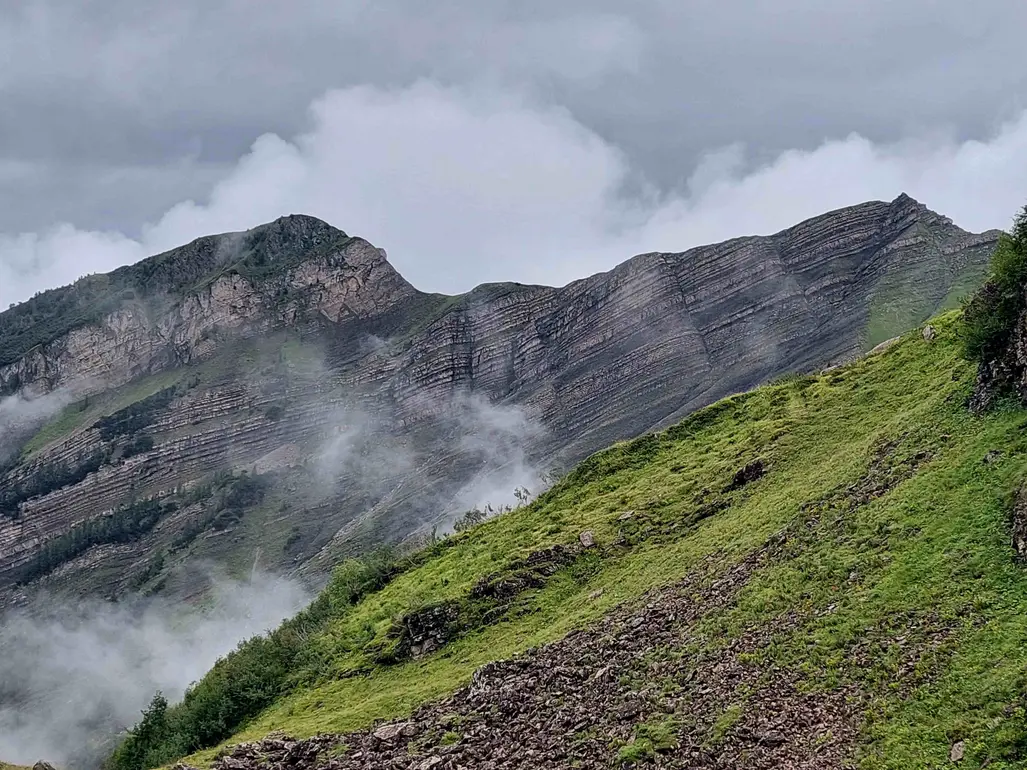
Carbonate platforms are particularly sensitive to environmental variations (climate, eustasy, detrition, etc.) and respond strongly to global changes such as massive greenhouse gas emissions, rising sea levels, increasing temperatures, intensified soil erosion, and ocean acidification.
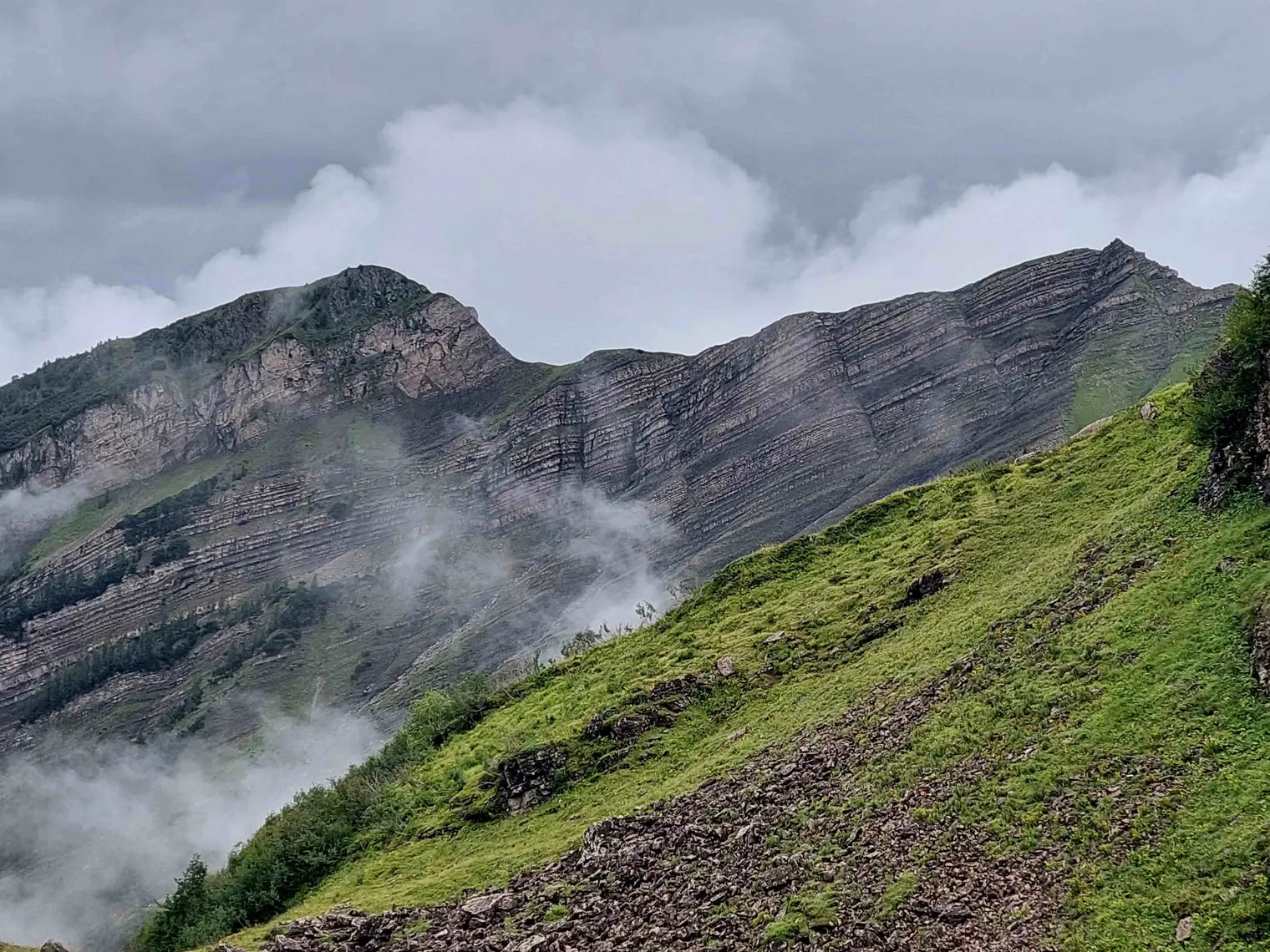
During the Mesozoic, numerous oceanic anoxic events (OAEs) occurred on scales ranging from local to global. The peri-Vocontian carbonate platforms recorded these disturbances through major changes in carbonate production and accumulation. In the short term, these crises resulted in episodes of moderate flooding, characterized by a decline in carbonate production linked to ecological stress (deoxygenation, eutrophication). When these conditions persist, carbonate production can cease almost entirely, leading to sustained flooding of the platforms, reflecting the system’s inability to compensate for the relative rise in sea level as well as environmental disturbances.
These changes are part of a global disruption of the carbon cycle, associated with isotopic anomalies (often positive in δ¹³C), indicating massive burial of organic carbon. This dynamic alters ocean chemistry, promoting the stratification of water masses, the establishment of long-term anoxic conditions, and contributing to ocean acidification.
Furthermore, these conditions favor the formation of phosphorite deposits on the continental shelf, resulting in condensed, phosphate-rich layers, often associated with discontinuity surfaces, indicating phases of low sedimentation and reworking.
However, a detailed understanding of these interactions relies on robust chronological calibration between basins and continental shelves, which is an essential prerequisite. In this context, ammonite biostratigraphy plays a key role by providing a high-resolution correlation tool.
Project Leader : Antoine Pictet