Paleogenomics
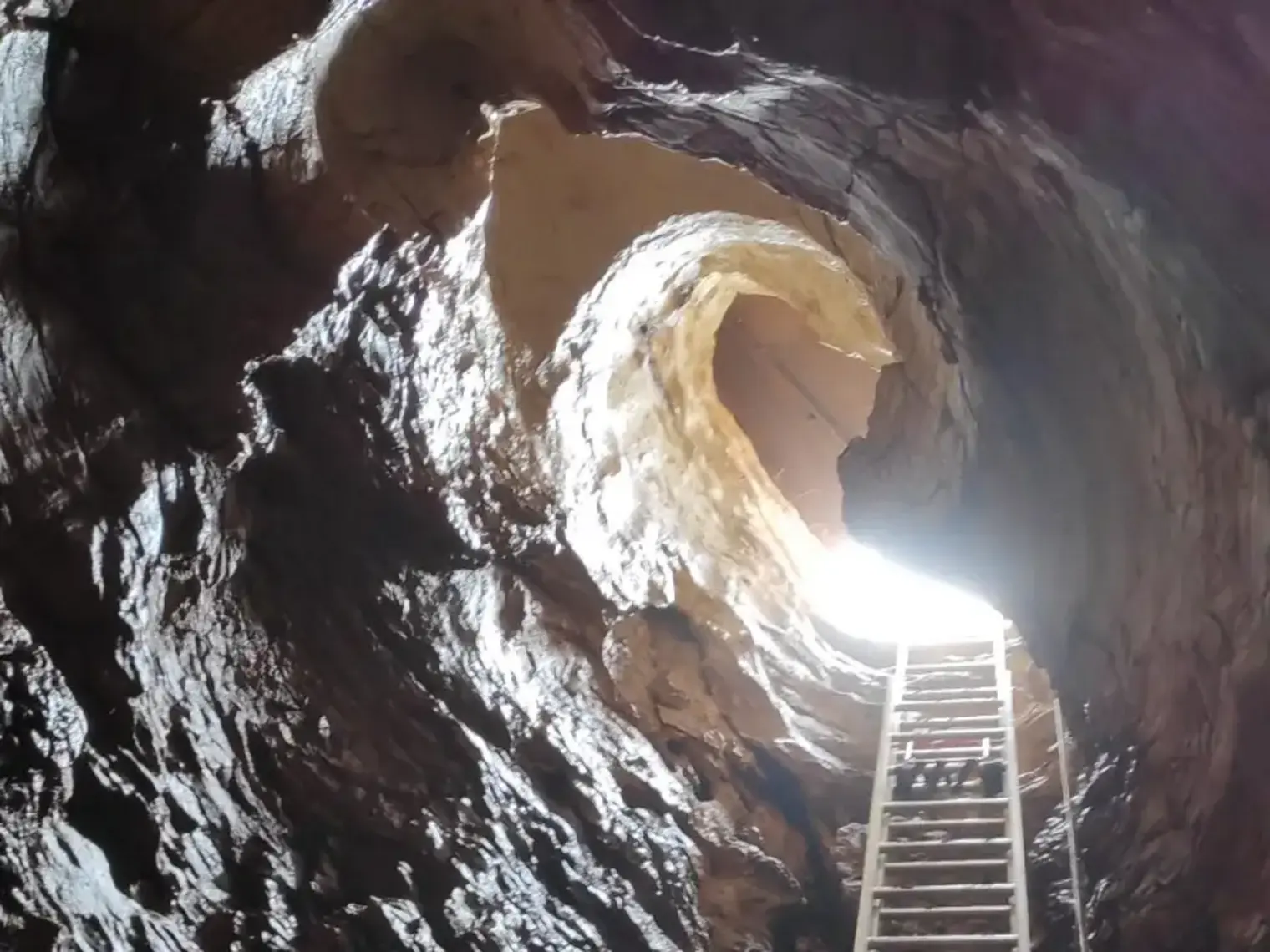
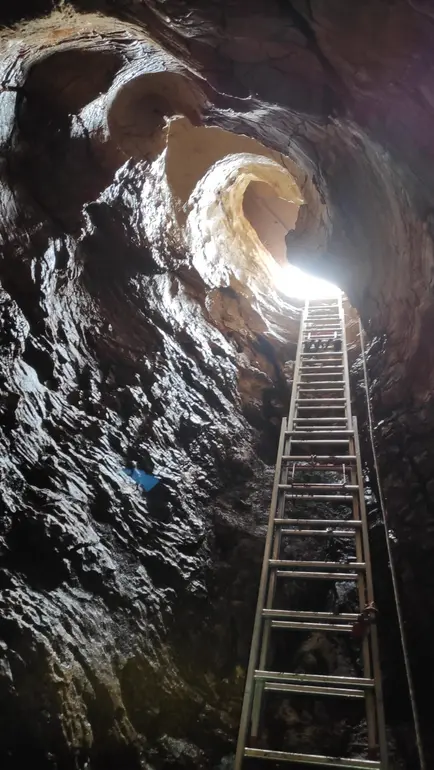
Photograph of the entrance to the Igue du Gral sinkhole (Lot, France). Many mammal (including reindeer, bison, and horses) fell into this natural trap during the last ice age. The accumulation of their remains in different soil strata now forms a remarkable chronological sequence, providing ideal material for studying ancient DNA and population evolution during the major upheavals at the end of the last ice age. Photo: J. Gauthier
Species’ responses to past environmental changes
How did species survive the major environmental crises of the past? The answer determines the predictions we can make about their current future.
By sequencing DNA preserved in subfossil remains—biological material that has not yet fully mineralized—scientists at the Naturéum are reconstructing the evolutionary and demographic history of ancient populations over time scales of millennia.
Following an initial phase focused on the silver fir, the team is now studying the large mammals of the last ice age in Western Europe (reindeer, bison) and reconstructing their gene flows and population trajectories leading up to their extinction.
Project Leaders : Nadir Alvarez et Jérémy Gauthier