
Information
Public
- All audiences
Botanical Garden
Carnivorous plants
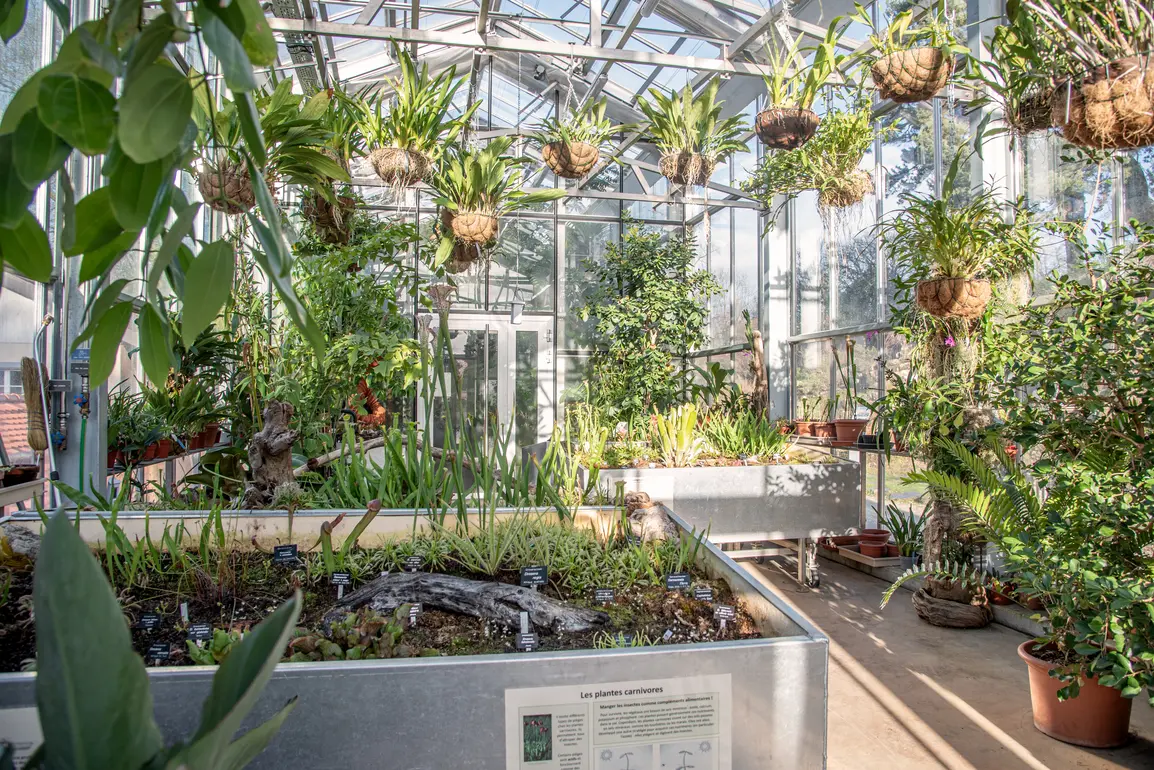
Plants need a number of essential elements in order to grow and reproduce. While oxygen and carbon dioxide are provided by the air, water and mineral salts come from the soil. As a general rule, they are absorbed by the roots. When the environment is too acidic, or becomes so as a result of pollution, nutrients become scarce and more difficult to absorb. Only highly specialised plants are then able to survive. Among the many adaptations to such environments, those of carnivorous plants are among the most spectacular. They have modified their leaves to capture and digest live prey. In this way, they replace some of the mineral salts with organic food. The Venus flytrap has real wolf traps that snap shut on insects walking on their surface. The prey of the pitcher plant drowns at the bottom of the leaves, which are transformed into urns, and is then digested by the plant. They get stuck to the surface of the leaves of sundews and butterworts.
Medicinal garden
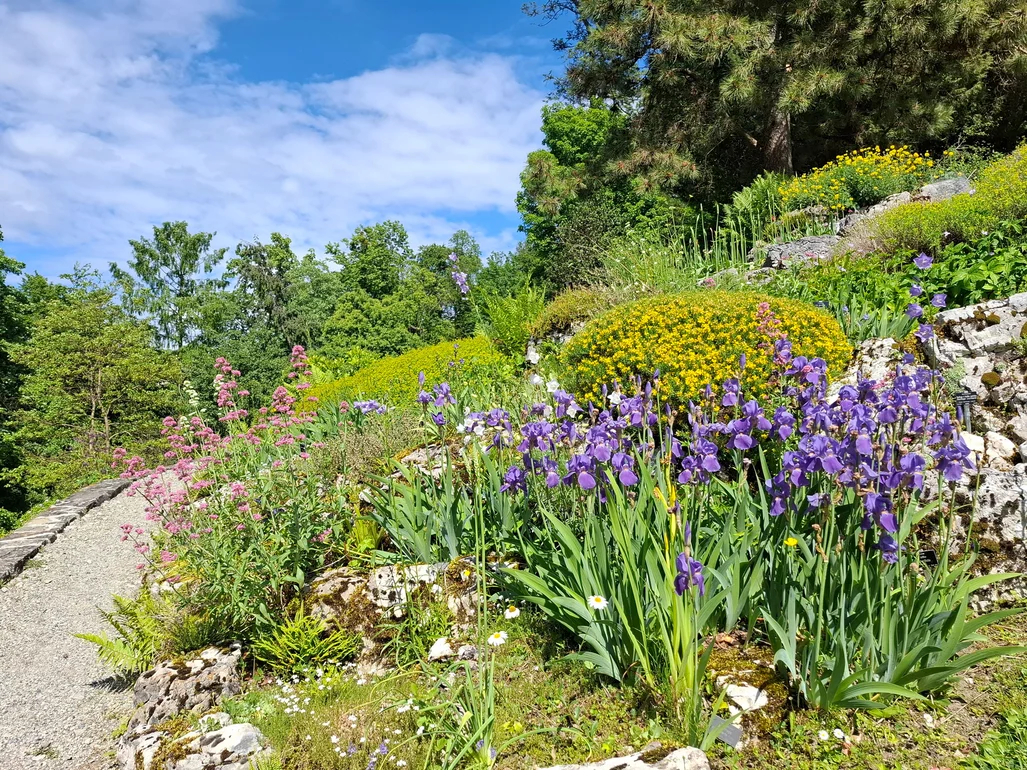
This garden features nearly 300 plant species belonging to some 50 families. Most are medicinal plants. They have therapeutic properties recognised by the official pharmacopoeia. They are used in the composition of medicines and other curative preparations. You will find plants containing glucosides, alkaloids and phytosterols, as well as species that produce essential oils or bitter principles and others that are rich in tannins. Some species are toxic and can only be administered for therapeutic purposes under medical supervision. The others are useful species. They are used by humans for a variety of purposes: food, aromatics, condiments, honey, insecticides, dyes, textiles, materials, etc.
The plants are arranged according to the tradition of systematic medicinal gardens. For more than three centuries, these gardens, built on the basis of medicinal species, have illustrated the scientific classification systems in use at each period, reflecting the evolution of our understanding of biodiversity.
Tropical plants
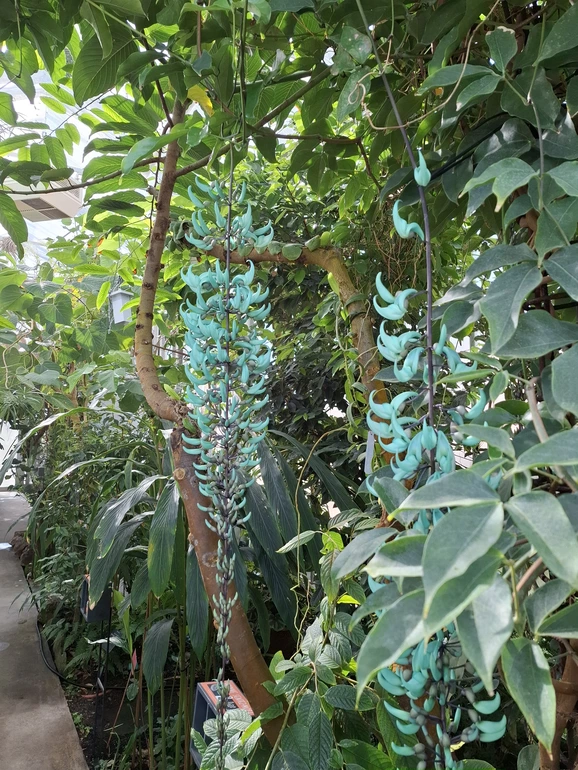
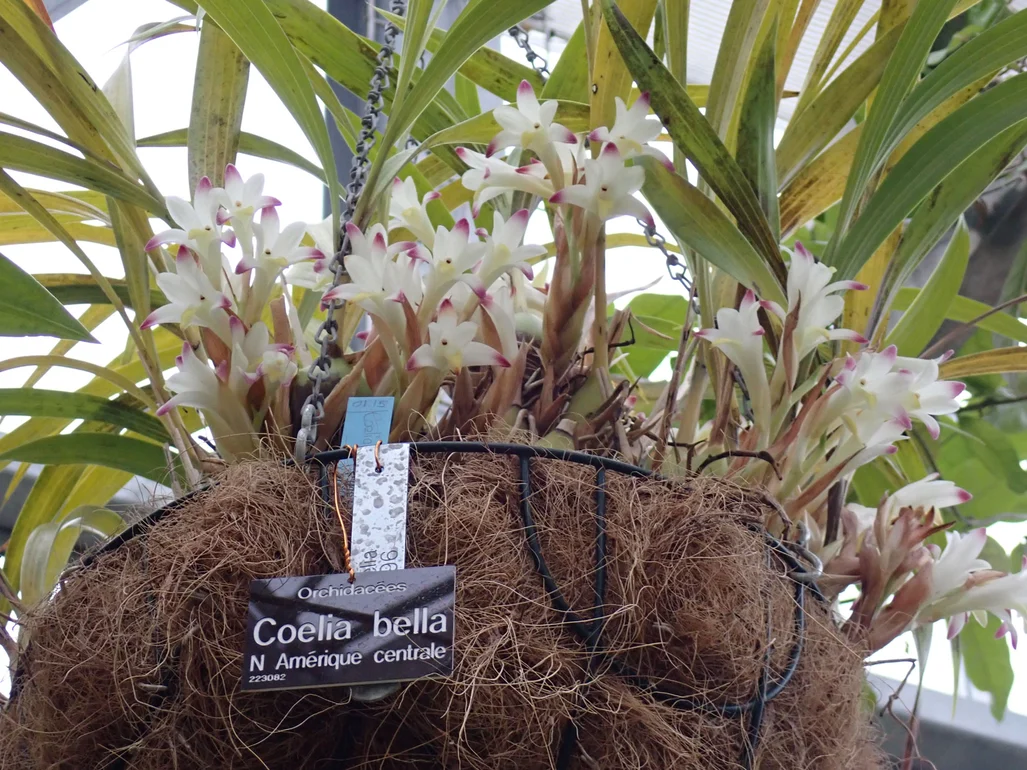
Inaugurated in 2019, the Botanical Garden's new greenhouse features tropical and carnivorous plants. In a warm and humid atmosphere and climate, the greenhouse brings together tropical, subtropical and equatorial plants. The appeal of exoticism remains very much alive. Plants are grown here that are of interest to modern or traditional medicine, or that have nutritional or practical value. More than a hundred species of orchids are also on display.
It is difficult to highlight any one of the 400 species cultivated in the greenhouse. Ginger, pepper and cinnamon are well known, but who has ever seen the plants from which these spices come? They are present, along with coffee trees, cocoa trees and many others.
Aquatic plants
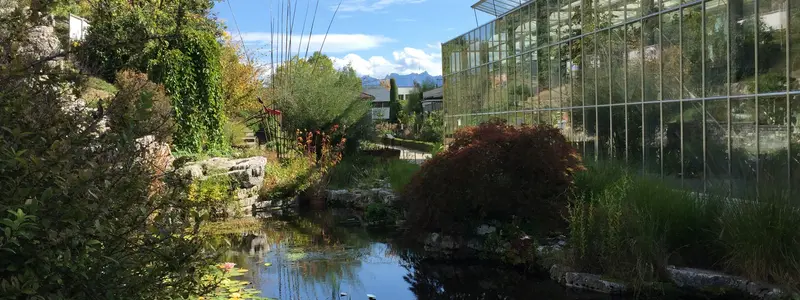
Water and the vegetation associated with it have a very special appeal. The large rock and pond are entirely artificial, but they are one of the signature features of the landscape architect, who has nevertheless managed to give them a perfectly natural appearance.
The second pond, at the foot of the building constructed by Laverrière, bears the architect's mark. As for the bog and the small ponds located in the extension of the Medicinal Garden, they bear the mark of the gardeners, as does the new aquatic layer. However, water alone is not enough to grow aquatic plants, and a rich collection requires a lot of care. With the exception of the small bog and its cranberries and other blueberries, the plants here are grown in pots. Some need to be protected from the cold, sometimes even brought indoors during the winter. Others need to be cleaned and pruned.
Succulent greenhouse
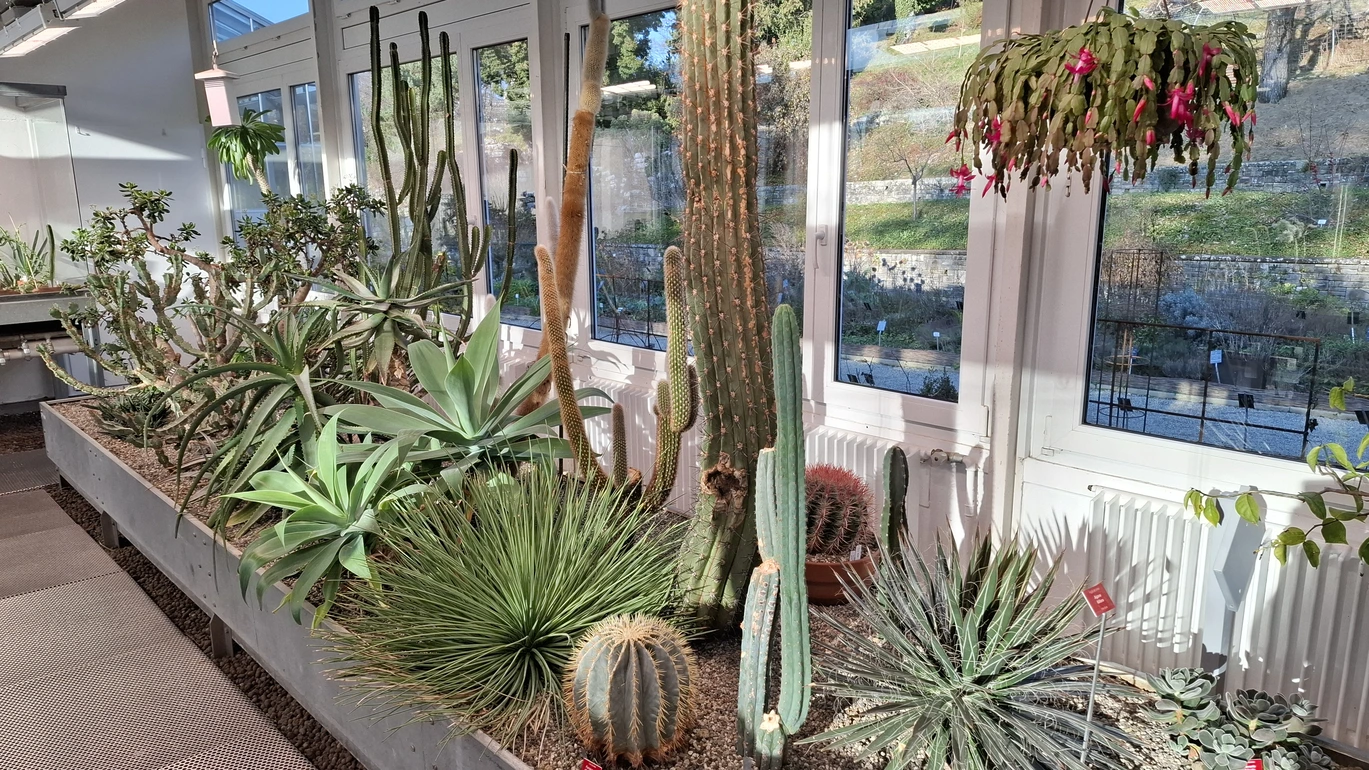
When water is scarce, plants must conserve it and store it. To do this, they modify some of their organs, which become thicker. They are filled with ‘sap’, hence the name commonly given to these plants. Native to America, many cacti use their stems, which have become fleshy. They have added thorns to discourage predators. Far away, in Africa, other plants look very similar. These are euphorbias, which have no systematic link with cacti. This is an astonishing phenomenon of convergence: faced with an arid environment, plants belonging to two very different families have developed the same adaptations. In our modest houseleeks and stonecrops, as in other more imposing African crassulaceans, it is the fleshy leaves that act as reservoirs.
The arboretum
From a landscaping point of view, a park needs a strong vertical component. The designers of the Botanical Garden did not limit themselves to architectural elements, but also planted trees that today reinforce the structure of the Garden. However, the area is too small to develop a true collection of woody plants. The Garden team is content to maintain the large trees that are already in place and instead focuses on spectacular flowering shrubs. The numerous Himalayan rhododendrons are particularly interesting in this regard.
Botanical Garden, Lausanne
Access
Montriond - Place de Milan
Bus : 1 smf 25, station “Jardin botanique”
Metro M2 : station “Délices”
Address
Av. de Cour 14B
CH - 1007 Lausanne
Opening hours
Garden, greenhouses and botanical conservatory open:
10 a.m. to 6:30 p.m., April 1 to October 31
10 a.m. to 5 p.m., November 1 to March 31
Greenhouse closed on Saturdays and Sundays from 12 a.m. to 1 p.m.
Annual closure from December 15 to January 15