Ecology of host-vector–parasite interactions
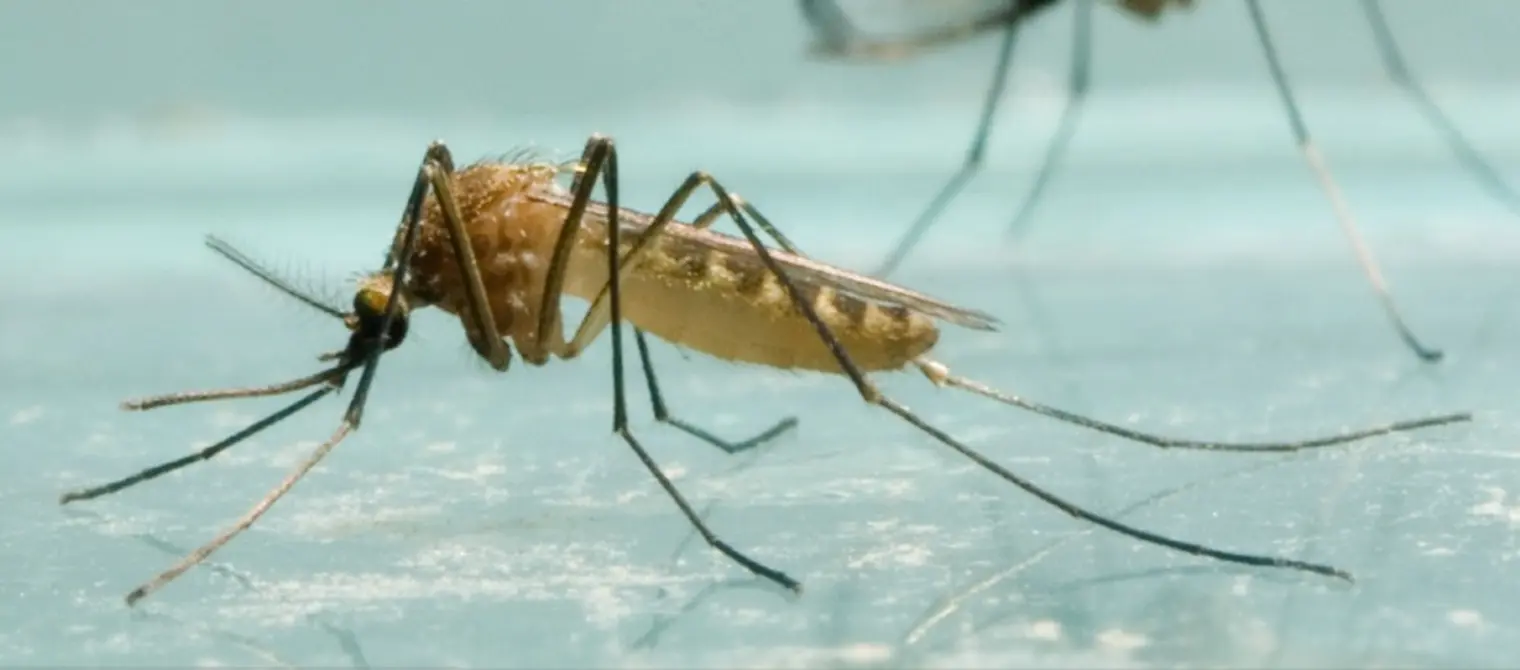
Long considered merely as disease vectors, these organisms play a key role in the dynamics, epidemiology, and distribution of vector-borne diseases.
For more than 20 years, these aspects have been studied at the Naturéum, in collaboration with Prof. P. Christe of the Department of Ecology and Evolution at the University of Lausanne, using avian malaria—transmitted primarily by Culex pipiens, the common mosquito found throughout our region—as the main model. Various aspects of this species’ ecology have been studied, ranging from vector behavior and host selection to immune response and infection dynamics.
Since 2024, a new project has been funded by the Swiss National Science Foundation to determine the environmental and genetic effects on mosquitoes’ resistance to parasites. This project is part of a broader study examining the effects of human-induced environmental changes on vectors’ ability to transmit diseases, such as West Nile virus and Chikungunya.
A collaboration is also underway with the Institute of Microbiology at the University Hospital of Vaud (CHUV) on the prevalence of certain viruses in mosquitoes in the Canton of Vaud.
Project Manager : Olivier Glaizot