

Information
Public
- All audiences
Mineralogy
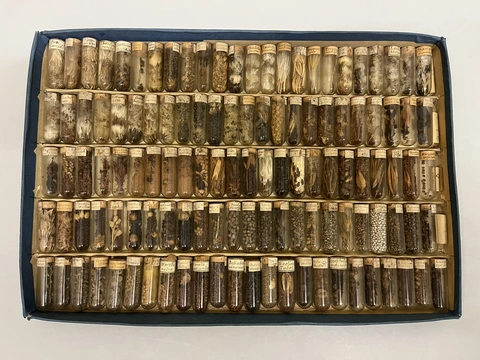
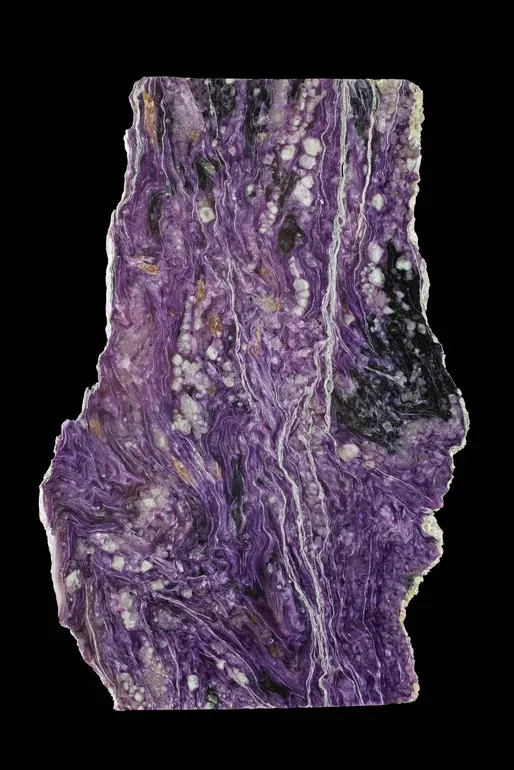
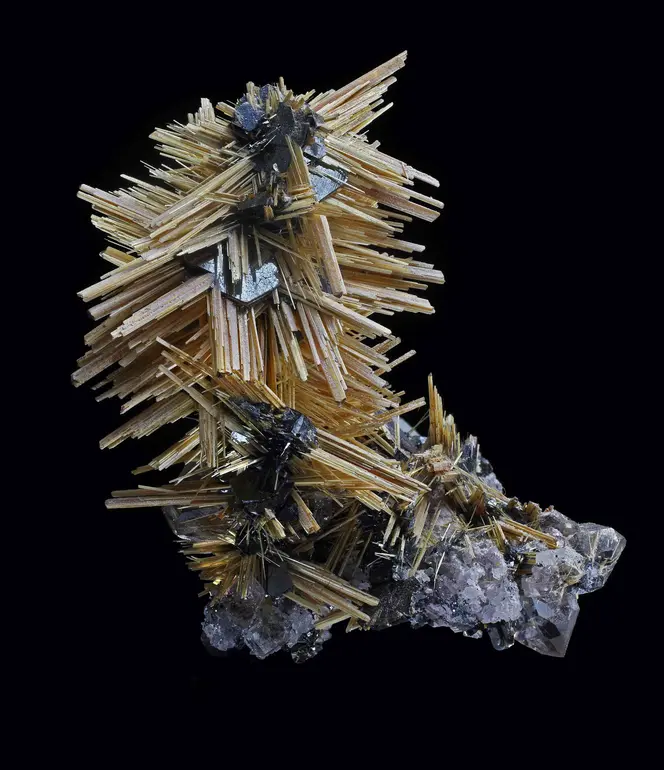
When examining the mineral collections of the Naturéum's geology department, one wonders why people in the 18th and 19th centuries collected or purchased so many samples. Certainly, they had a scientific interest, but was that really their motivation? The various splinters, sometimes very bright colours and geometric shapes make crystals ‘mysterious intruders’ in the natural world. The edges of crystals are straight lines, accurate to within an atom or molecule! It is normal that such aesthetic properties should have prompted some people to surround themselves with these marvellous objects. This passion among collectors has provided us with numerous samples from unique mineral deposits that are now abandoned.
The mineral collection from the Bex salt mines
These minerals come from the drilling of galleries in the salt mines. It is mainly to Jean de Charpentier (1786-1855), a brilliant mining engineer, that we owe most of the pieces in this collection. Among them are the exceptional gypsum crystals, world-renowned for their purity. Our institution is fortunate to possess the finest examples.
Frédéric-César de la Harpe's collection of Russian minerals
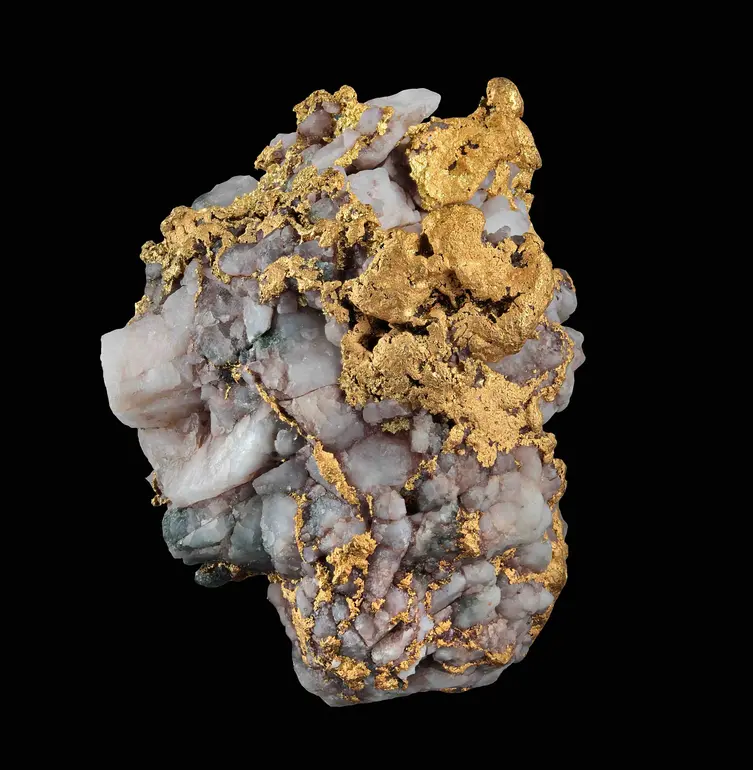
Frédéric-César de la Harpe (1754-1838) was tutor to Alexander I, Tsar of All Russia, before returning to his homeland. When he left Russia, he received a gift from the Tsar: ‘a collection of minerals for the museum of his own country’. This collection contains some remarkable pieces, including gems and nuggets of platinum and gold from the Urals.
The systematic mineralogy collection
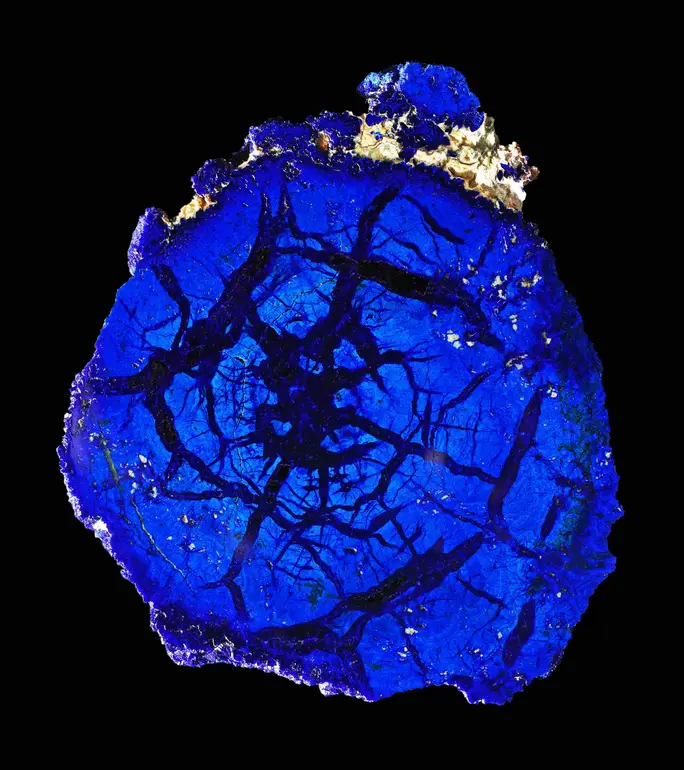
The Naturéum has a large collection of samples from old mines, assembled by several 19th-century collectors, including Professor Mercanton. Examples include groups of silver and manganese mineral crystals from Germany and the famous azurite crystals from Chessy near Lyon. Analyses carried out over the last five years show that this collection contains nearly half of the 4,400 mineral species currently known in our universe. In addition, our institution is the custodian of nearly a hundred mineral types (the ‘standard’ for each new mineral species).
The regional mineralogy collection
For a long time, mineral researchers have criss-crossed the mountains and valleys of the Alps. They sold their summer harvests to collectors or directly to museums. Many Alpine minerals found their way into the geology department through Charles Lardy and Abraham Thomas (1788-1859). The most remarkable pieces come from the Zermatt region and the Binntal, a small valley in Upper Valais. A significant part of this collection consists of minerals and ores from the old mines of the Alps (Meisser and Ansermet collections) as well as polished samples of ornamental rocks from the region.
The meteorite collection
Although modest in size, this collection nevertheless contains the main types of meteorites known. The centrepiece is the rocky meteorite that fell in the La Chervettaz woods near Châtillens on 30 November 1901.
The Eduard Bally collection
The Naturéum also houses a significant part of Eduard Bally's collection, following the closure of his museum in 2004.
Petrography and useful substances collection
The petrography collection contains a selection of rocks subdivided into:
- Sedimentary rocks
- Metamorphic rocks
- Meteorites
- Igneous rocks
- Minerals
- Fuels
- Building materials
- Petrography by country, excursions
Mineral deposit collection
By definition, a deposit is an abnormal accumulation of certain minerals, some of which are sometimes rare. It reflects specific geological conditions. Deposits are often depleted after a few decades of mining and the galleries become inaccessible. For these reasons, mineralised samples are of not only economic but also scientific interest.
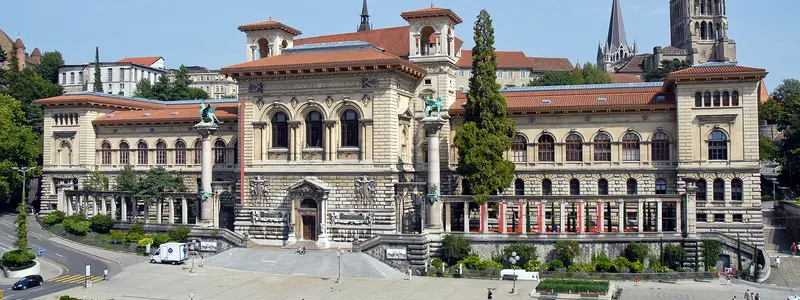
Palais de Rumine
Access
Galleries of Geology : 3rd floor
Galleries of Zoology : 5th floor
Public transportation
Metro M2 or bus no 1, 2, 7, 8, 16, 18, 60 : Station Riponne - M.Béjart
From the train station of Lausanne
Metro M2, direction Croisettes : Station Riponne - M.Béjart
By car : parking de la Riponne
Address
Place de la Riponne 6
CH - 1005 Lausanne
Contact
- Email: info.natureum@vd.ch
Opening hours
The museums are open Tuesday to Sunday, including public holidays, from 10 a.m. to 5 p.m.
Closed on Mondays.
The building is closed on the following days:
In 2026: 01.01, 06.04, 25.06, 03.08, 10.08, 21.09, 25.12.
In 2027 : 01.01, 29.03, 17.05, 20.09, 25.12